Open to software development and AI automation roles

Curiosity, built into code.

I’m Quik. I build software consoles, game systems, and worlds you can step into, from the C++ under an Unreal level to the interface on top of an intelligence console.

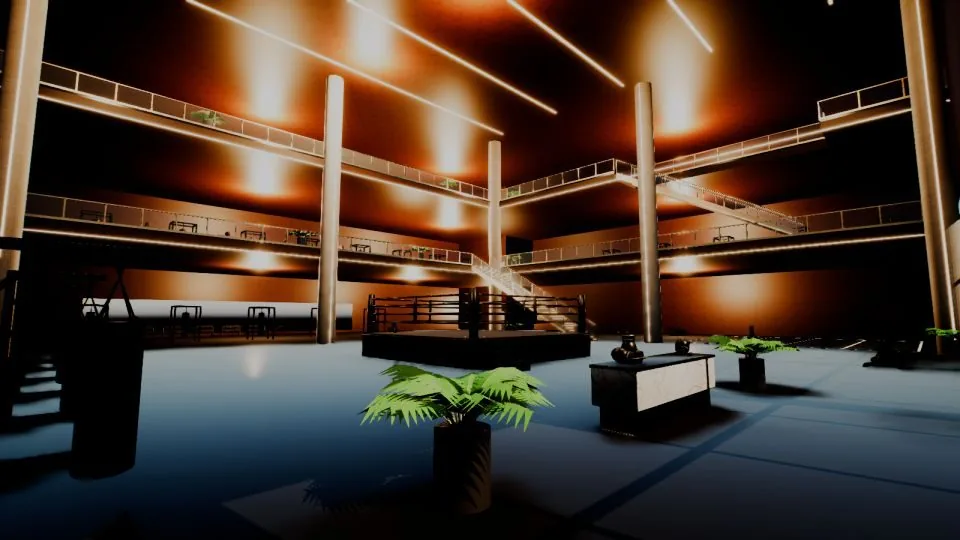
Quik Punch boxing gym atrium in Unreal Engine, with a regulation ring and mezzanine levels

Quik Punch gym · Unreal Engine

Work

Four projects across game worlds, intelligence software, 3D assets, and trading tools. Each says what I did and who I built it with.

Quik Punch boxing gym atrium in Unreal Engine, with a regulation ring and surrounding levels
Quik Punch gym, Unreal Engine development capture

Lost Souls, with Immortal Legend Studios

A world you can step into.

Environments, the Quik Punch gym, island development, game systems in C++, and the pipeline that brings 3D assets into the engine.

My part: Unreal development, environment building, C++ gameplay systems, Blender modeling, and asset integration.

  • Unreal Engine 5.8
  • C++
  • Blender
  • Automation tests
Project notes
  • Quik Punch: a multilevel boxing gym in Unreal, with an atrium ring, lounges, and a rooftop pool.
  • Grove and island environment work, including the district now known as Crown Key, rebuilt from dimensioned build sheets.
  • A C++ module in the Unreal project, with a working utility grid and its own automation tests.
  • Production collaboration across models, layouts, references, and engine handoffs.

Asa leads the Lost Souls universe and creative direction. Contributions overlap and are credited by project. Images show work in development.
SENTINEL, a shared intelligence platform

Making intelligence easier to explore.

SENTINEL has a public Barometer and a dedicated analyst console. My work focused on the console: its interface and how the information is presented.

My part: console frontend, UI and UX, and information presentation.

  • Console UI
  • Information design
  • AI-assisted development
Project notes
  • The console has dedicated views for events, statements, radar, markets, and analysis.
  • My work covered the interface and how people move through the information.
  • Built in collaboration with Asa, using AI-assisted development workflows.

SENTINEL is a shared project. This page describes my console contribution; the platform includes work by other collaborators.

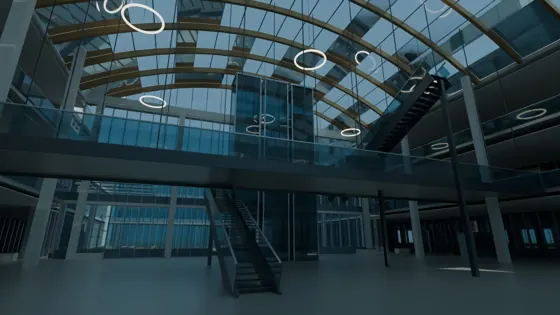
Mall Shell glass atrium shown in Blender, from the QA Assets collection
Mall Shell, Blender preview

QA Assets, QuikyCode × Immortal Legend Studios

Useful pieces for bigger worlds.

A shared collection of 3D assets, materials, and tools that grew out of building Lost Souls together.

My part: modeling, tools, interactive environments, and shared creative development.

  • Blender
  • Unreal Engine
  • Production workflows
Project notes
  • Collection previews span streets, marinas, architecture, and materials.
  • Production connects measured references, modeling, and Unreal integration.
  • Each pack shows its contents, contributors, and release status.

A collaborative collection, with releases in preparation. Ownership and individual contributions are documented on the project’s own listings.

Trading console, case study in progress

A console built around trading.

A trading console from my software work. A public walkthrough and a closer look at the implementation are on the way. The chart is an illustration, not market data.

Inside the Lost Souls build Visit Quik’s build desk

Build notes

Three entries from the Lost Souls build log, October 2026. Each has the problem, what I did, and how I checked it.

C++ systems

A power grid you can break.

I added a C++ module to the Unreal project, wrote a spec for utility grids and repair jobs, and built the grid core. When a car hits a pole hard enough, the pole breaks, the lights downstream go dark, and the mall’s atrium ceiling lights respond through a Power value in their materials.

  • 7/7 automation tests pass: outage downstream only, one fault per pole however many hits, a backup route through a tie switch, repair, and a story lock that overrides break and repair.
  • ~70 km/h: a car hit breaks a pole and darkens the court while the mall and tower stay lit. A 12 km/h tap breaks nothing.
  • 2 original Blender props bound to the grid: a 9.6 m feeder pole (888 tris) and a 6.5 m street light (244 tris).

Try the rules. Select a pole to break it, select it again to repair it, and close the tie switch to feed the far end from the second feeder.

Swipe sideways to see the whole line.

All three buildings have power.

A simplified sketch of the rules for this page. The real system is C++ inside Unreal, with its own tests.

Debugging

The floor that wasn’t there.

Problem
Characters fell through the island and landed on the water plane, 1.4 m below the grass.
Cause
Unreal had built no triangle collision for the 1.8M-triangle terrain.
Fix
A collision-only heightfield plus a sea volume, instead of colliding against the render mesh.
Check
A play-test script re-checks it after every rebuild. Land probes now stand on terrain, roads, and bridges.

Pipeline

From build sheet to a packaged game.

Input
Dimensioned build sheets for an island district, delivered in batches.
Built
Hero towers in clean geometry; a marina with 3 piers, 36 fingers, and 24 slips; a street kit of 7 road sections and 19 street objects; 20 mid-rises in six design families; a 72-unit galleria around a 40 × 40 m glass atrium.
Shipped
Packaged as a standalone Windows game in 4 min 12 s. It launched, loaded the map in 3.8 s, and logged no errors.

How I work

Idea, build, iterate, with a record at every step.

  1. Spec it

    Write down how a system should behave before building it, like the grid spec covering power flow, outages, repair jobs, multiplayer authority, and save and load.

  2. Build it

    Work from references and measured sheets in batches, and post before-and-after screenshots before changing shared work.

  3. Test it

    Automation tests for game logic, play-test scripts for the world, and visual checks for what players actually see.

  4. Ship it

    Packaged builds, clean handoffs, and an honest list of what’s still open.

Toolbox

Unreal Engine 5.8
Levels, Lumen, materials, packaging
C++
Engine modules, game systems, automation tests
Blender
Modeling, props, scene builds from sheets
Web interfaces
Console UI and information design
AI-assisted development
Part of the daily workflow, alongside the hands-on work
Git and LFS
Shared repositories and collaborative handoffs
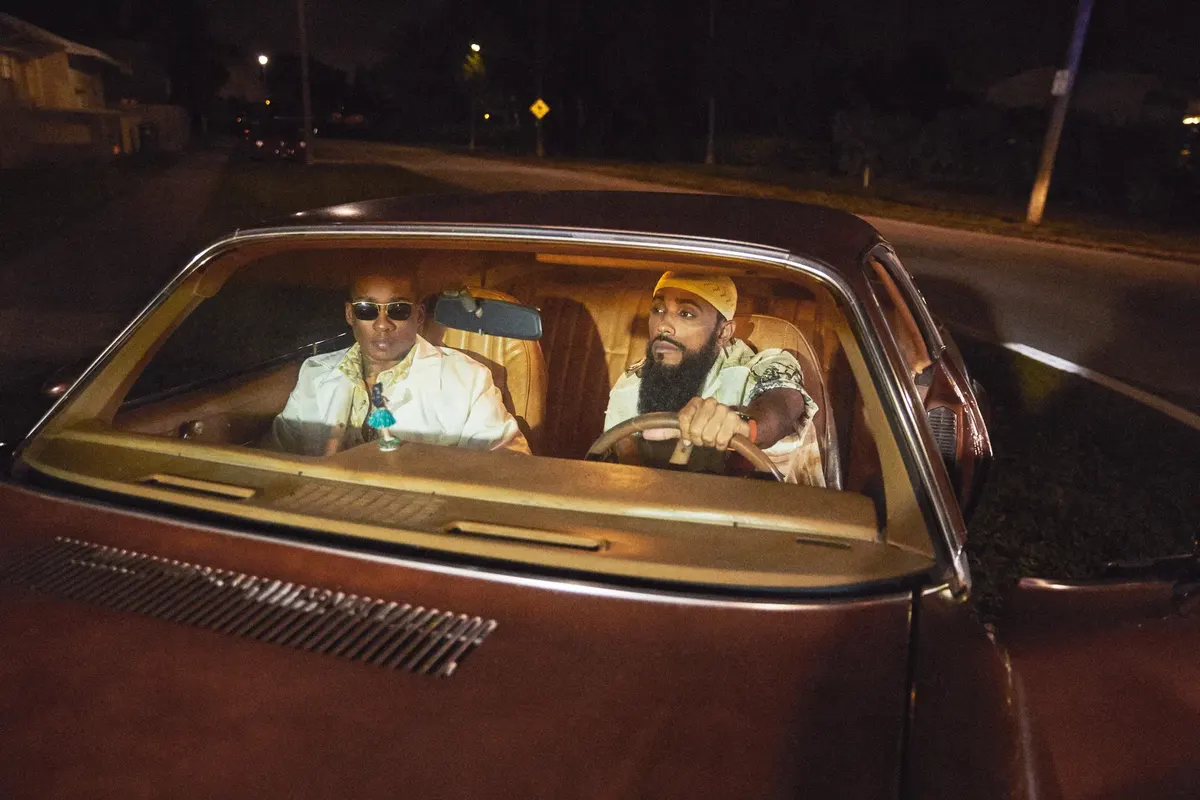
Miami night photograph supplied by Quik for his portfolio
Miami, after hours.

Curiosity is the starting point.

I’m Quik. My work moves between software consoles, game development, and the tools that help a project come together.

Long before our work on Lost Souls, Asa and I were gaming together. That shared history grew into building together: intelligence interfaces, interactive environments, and a shared asset collection.

I learn by making things, testing ideas, and working through problems with collaborators. AI-assisted development is part of that process, alongside hands-on work in Unreal Engine and Blender.

What I build
Software interfaces, game systems, interactive worlds, and 3D production assets.
What’s next
Roles in software development, AI automation, and developer tooling.
Also known as
QuikMulaTV, on YouTube for gaming and community.

Find the builder. Follow the work.

QuikyCode is my home for software and development. A direct hiring contact and résumé are coming as the portfolio is completed.